eBooks
100 Books foundAbout the TIUIK Public Domain Literature Library
The TIUIK Public Domain Literature Library offers a curated selection of one hundred public-domain works, focusing on practical and natural history texts from the nineteenth and early twentieth centuries. Each book is presented with a detailed editorial note that explains its context, structure, and significance. The catalogue is designed for readers interested in historical agricultural practices, rural life, animal husbandry, and the natural world.
Browsing the Catalogue
The catalogue currently contains 4 active subject categories: Farming, Gardening, Plants Soil, and Livestock. Categories are used as browsing aids and may overlap where a work reasonably fits more than one subject. Each book entry includes the title, author, digital source (Project Gutenberg), keywords, target reader, and a catalogue note that guides reading. Use the sidebar or search function to locate specific titles or authors.
Book-Record Information
Every record provides bibliographic details: author names with life dates, publication source, subject keywords, and a target-reader field indicating suitability for public-domain text readers. The catalogue note offers a brief analysis of the work’s content, structure, and notable features, helping readers decide which books match their interests.
Source Attribution
All texts in the library are sourced from Project Gutenberg, a trusted repository of public-domain works. Each book record acknowledges the publisher, ensuring transparency about the provenance of the digital edition.
Categories: A Navigation Aid
The catalogue currently contains 4 active subject categories: Farming, Gardening, Plants Soil, and Livestock. Categories are used as browsing aids and may overlap where a work reasonably fits more than one subject. It brings together books that, whether about beekeeping, cattle breeding, or rural sports, reveal the social and economic frameworks of their time. Readers are encouraged to browse freely across all titles, as many works intersect multiple themes.
Three Reading Paths
For the Practical Farmer: Begin with William Cobbett’s Cottage Economy (ID 232), a manual that blends brewing, bread-making, and livestock advice with sharp social commentary on self-sufficiency. Follow with S. H. Hammond’s Wild Northern Scenes (ID 214) for hunting and fishing in the Adirondacks, and conclude with George Husmann’s The Cultivation of the Native Grape (ID 219) for viticulture in the Midwest.
For the Natural Historian: Start with Richard Jefferies’ The Amateur Poacher (ID 213) for detailed observations of bird behavior and landscape. Then read Gordon Stables’ The Domestic Cat (ID 240) for a Victorian natural history of felines. Finish with Frank Benton’s Bee Keeping (ID 260) for scientific apiary management.
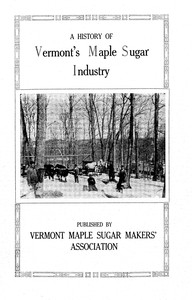
For the Social Historian: Explore Harriett Bradley Fitt’s The Enclosures in England (ID 227) for an economic analysis of land use change. Then read John Randall’s Old Sports and Sportsmen (ID 285) for a local history of Shropshire’s rural squirearchy. Conclude with the Vermont Maple Sugar Makers’ Association’s A history of Vermont's maple sugar industry (ID 305) for a community’s fight against adulteration.
Practical Reading Tips
Many texts include indexes, tables of contents, or numbered paragraphs—use these to navigate quickly. The catalogue notes highlight structural features such as seasonal progression or dual-author perspectives. Readers may also explore the editorial standards page for a full account of the collection’s curation practices.
Bibliographic dates and catalogue measurements
The catalogue distinguishes the Project Gutenberg digital release from a work’s original or first publication. Project Gutenberg is identified as the digital source for the edition available here; its release year is therefore shown as Gutenberg Release Year, not as the work’s original publication year.
When an explicit first-publication or issue date can be supported directly by the title or issue information, it may be shown separately as First Publication Year. When that date cannot be confirmed, the catalogue displays Not confirmed rather than guessing a year.
Where the source text can be measured reliably, the catalogue may provide word count and estimated reading time. These measurements describe reading scope and are not quality rankings.
The current catalogue contains 4 active subject categories: Farming, Gardening, Plants Soil, and Livestock. Categories are browsing aids and may overlap where a work reasonably fits more than one subject.

- Featured